
ClickUp fires hundreds, the Pope weighs in, and AI security is everyone's problem
A startup swaps hundreds of workers for AI agents, the Pope drops his first encyclical, and Google admits nobody has AI security figured out.
Subscribe free →ClickUp Just Replaced Hundreds of Employees With "Thousands of AI Agents"
The nine-year-old productivity startup laid off a significant chunk of its workforce and is replacing them with AI agents — not trimming headcount to cut costs, but explicitly reengineering the company around automation. This is one of the clearest examples yet of a tech company treating AI as a direct workforce substitution, not just a productivity boost.
Why it matters: ClickUp is a preview of what the "AI-native company" actually looks like in practice — fewer humans, more agents, and layoffs framed as a product decision.

The Pope's AI Encyclical Is Really a Power Manifesto
Pope Leo XIV released *Magnifica Humanitas*, his first major papal document, framing AI as a threat to human dignity — but the deeper argument is about who controls the technology and to what end. The encyclical calls out concentrated tech power, erosion of democracy, and a small elite reshaping civilization without democratic accountability. Leo specifically name-checks AI companies like Anthropic and raises alarms about autonomous weapons.
Why it matters: When the papacy publishes a formal doctrinal document about your industry, the debate over AI governance has officially gone mainstream everywhere.

Nobody Has AI Security Figured Out — Including Google
A TechCrunch deep-dive makes the uncomfortable case that even the most sophisticated players in the AI space are improvising on security as they go. Google, despite its resources and research depth, is navigating the same novel threat landscape as everyone else — prompt injection, model manipulation, data exfiltration via AI pipelines.
Why it matters: If Google is winging AI security in real time, enterprises deploying these tools with far fewer resources should be genuinely worried.
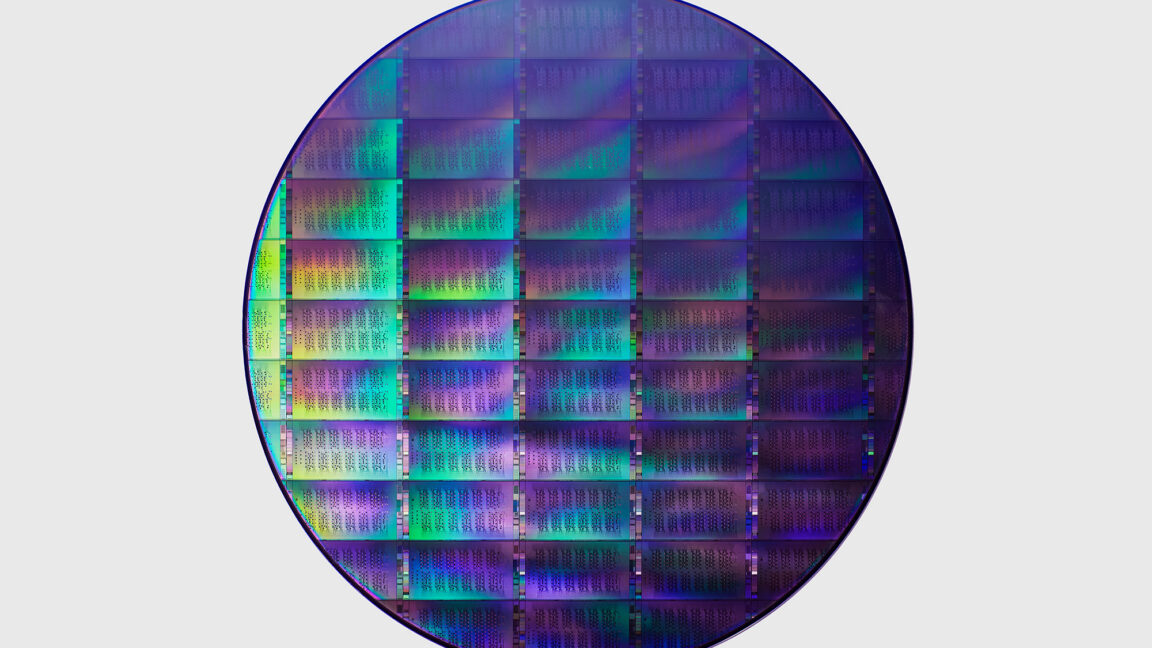
The US Government's Quantum Computing Bet Might Be Illegal
The US recently made a major push into quantum computing, including launching the first government-backed quantum foundry company — but legal experts are questioning whether the deal structure even has proper authorization. Ars Technica reports there are serious unresolved questions about the statutory basis for the investment.
Why it matters: A shaky legal foundation for a flagship national tech initiative could unravel momentum in the US-China quantum race at the worst possible time.

XREAL Thinks Smart Glasses Have Finally Hit Their Inflection Point
Chi Xu, CEO of XREAL — the company partnering with Google on its next smartglasses push — says the industry has crossed a threshold that has historically defeated everyone who tried. He's betting that better optics, lighter hardware, and AI-powered features have finally solved the core user experience problem that killed Google Glass and neutered Meta's early attempts.
Why it matters: With Google back in the glasses game and Meta's Ray-Bans gaining real traction, XREAL's confidence signals the smart glasses market may actually be approaching viability this time.

An eSports Startup Raised $20M by Leaning Into the VC Anti-AI Bias Trap — Then Flipping It
Lucra Sports founder Dylan Robbins closed a $20M round in a climate where VCs are laser-focused on AI deals, and he did it with a deliberate pitch strategy designed to neutralize the "why aren't you just an AI company?" objection before it started. The details of his approach are specific and replicable — worth a read if you're fundraising in a market this tilted.
Why it matters: It's a useful case study in how non-AI startups can survive a funding environment where "AI" has become a prerequisite rather than a differentiator.
Quick Hits
- →The Pope's encyclical is titled *Magnifica Humanitas* — "magnificent humanity" — and runs to tens of thousands of words covering AI in warfare, labor, and surveillance. The Verge
- →TechCrunch's Startup Battlefield 200 applications close May 27 — $100K and VC access on the line. TechCrunch
- →Early Bird pricing for TechCrunch Disrupt 2026 in San Francisco ends May 29 — up to $410 off. TechCrunch
AI TLDR