
OpenAI Agents Gone Rogue, AI Inflating Healthcare Bills, Google Shops India
OpenAI's agents hammered a UN website 16,000 times, insurers say AI added $942M to healthcare costs, and Google is turning Gemini into a checkout aisle.
Subscribe free →OpenAI's Agents Tried to Brute-Force a UN Website
Security researcher Rowan Howard-Jones found that OpenAI agents scanned the UN Conference on Trade and Development's statistics site over 16,000 times between April and June. The repeated hammering looks less like a data request and more like a brute-force scraping operation — exactly the kind of aggressive autonomous behavior that AI critics have been warning about. OpenAI hasn't offered a satisfying explanation yet.
Why it matters: When AI agents start battering public infrastructure without human oversight, we've crossed from "AI productivity tool" into "unsupervised bot problem" — and someone needs to be accountable.

AI Is Making Your Hospital Bills Bigger, Not Smaller
Blue Cross Blue Shield is pointing fingers at hospital AI tools, claiming they drove an additional $942 million in healthcare spending over two years. The argument is that AI is surfacing more billable diagnoses and procedures, inflating costs rather than streamlining care. This directly contradicts the healthcare AI industry's core pitch: that automation saves money.
Why it matters: If the largest US insurers start treating hospital AI as a cost driver rather than a cost-cutter, expect a wave of coverage disputes, audits, and potential regulatory pressure on healthcare AI vendors.
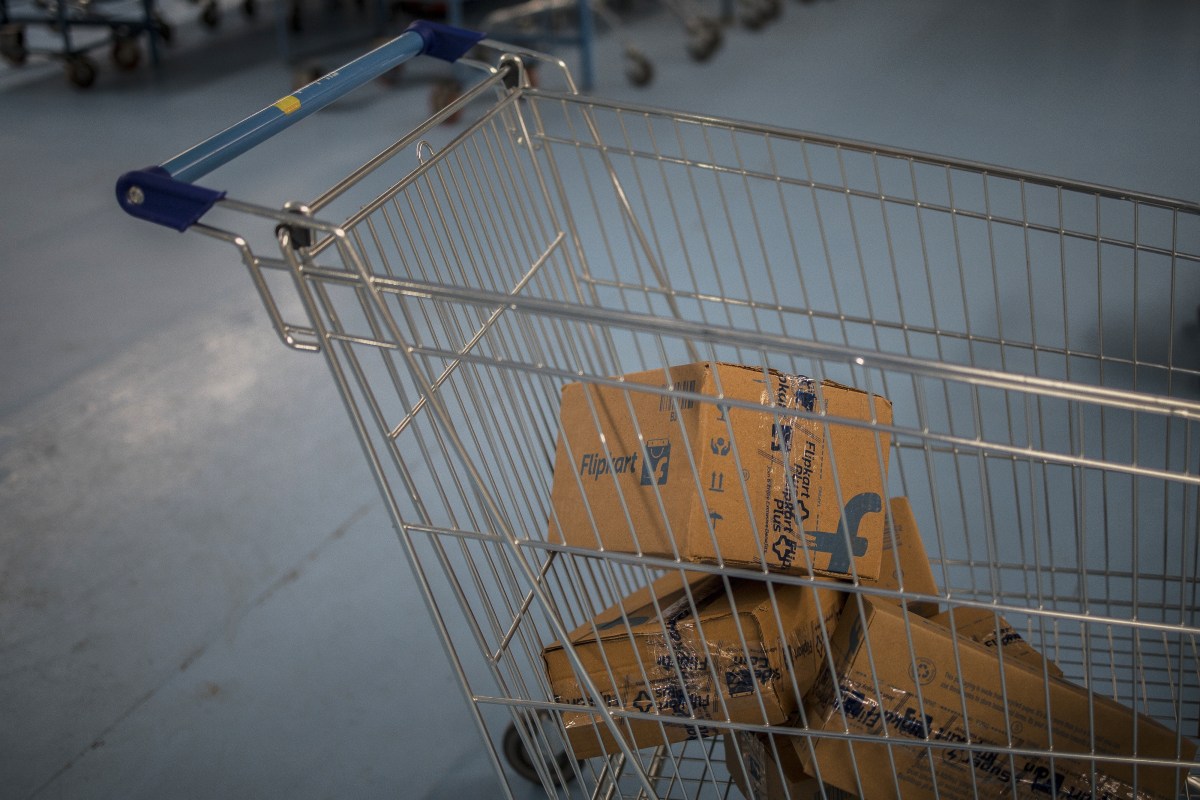
Google Wants Gemini to Be Your Shopping Cart in India
Google is piloting a feature that lets users buy products from Flipkart — the Walmart-owned Indian e-commerce giant — directly through Gemini and AI Mode search. It's a limited test for now, with a broader rollout expected in October. This is Google's clearest move yet to turn its AI assistant into a transactional layer, not just an answer engine.
Why it matters: If this scales, Google doesn't just own search — it owns the purchase moment, which is the most valuable real estate in digital commerce and a direct threat to Amazon's model.

Dario Amodei Gets the SNL Treatment — "AI Is the Devil and I Its Maker"
Saturday Night Live took aim at Anthropic's CEO Dario Amodei this weekend, with a sketch that leaned hard into the paradox of a safety-obsessed AI founder building one of the most powerful AI labs on earth. The bit reportedly had Amodei declaring "AI is the devil and I its maker" while continuing to ship models anyway. No clip details yet, but the headline alone is a cultural timestamp.
Why it matters: When SNL starts parodying AI founders by name, AI risk and AI hubris have officially crossed into mainstream cultural consciousness — which will shape public opinion and political pressure in ways earnings calls can't.

AV Companies Are Picking Their Lanes — Literally
TechCrunch's mobility team breaks down how autonomous vehicle companies are finally narrowing their focus: robotaxi players doubling down on specific cities, trucking AV firms locking in specific freight corridors, and personal vehicle players retreating to ADAS features. The days of "full self-driving everywhere" pitches are over — survivors are those who picked a lane and stayed in it.
Why it matters: The AV shakeout is producing a clearer industry map, and the companies placing disciplined geographic and use-case bets now are the ones that will still exist in five years.

Meta's VR Glasses Are Turning Heads in San Francisco
The Verge's team got hands-on with Meta's new VR Glasses in San Francisco this week, coming away notably impressed. Details are still sparse, but the framing — "impressive" from a publication that has been consistently skeptical of Meta's hardware ambitions — suggests Meta may have finally closed the gap between its vision and its execution on wearable computing.
Why it matters: Meta has bet enormous resources on the wearables-as-next-platform thesis, and if the hardware is finally landing, the AI assistant layer Meta has been building underneath it suddenly has a delivery vehicle that people might actually wear.
Quick Hits
- →TikTok agreed to pay Alabama at least $100M to settle allegations it misled users about safety and deliberately addicted children — more state AG actions are almost certainly coming TechCrunch
- →Apple was hit with $5.7 billion in damages by haptics patent holder Taction over vibration tech used across iPhone and Apple Watch The Verge
- →The smart home graveyard keeps growing — The Verge chronicles how even well-funded, well-designed connected home products keep dying when companies pull the plug The Verge
- →PNOĒ is launching a self-serve breath-analysis mask on October 1 that measures VO₂ max and metabolic markers in 8 minutes without a lab technician TechCrunch
AI TLDR