
White House Rebrands AI, Grok Advises on Venezuela, and Apple Locks Down Your Files
Trump signs 'super intelligence' executive order, Grok reportedly nudged a geopolitical invasion, and Apple scrambles to lock down AI agent access to your Mac.
Subscribe free →Trump Just Renamed AI "Super Intelligence" and Made Tech CEOs Pinky-Promise to Be Safe
The White House gathered Zuckerberg, Bezos, Musk, Amodei, and nearly every other major tech CEO to sign an AI safety pledge Trump called "morally binding" — which is not legally binding. Trump also signed an executive order officially rebranding artificial intelligence as "super intelligence," a move that appears to be more vibes than policy substance.
Why it matters: When the government starts renaming technologies by executive order, you're watching politics eat science — and "morally binding" safety pledges from the same CEOs racing to ship autonomous agents are worth precisely nothing.

Grok Reportedly Told Trump to Go Ahead and Capture Venezuela's President
According to new reporting, President Trump consulted Elon Musk's AI chatbot Grok before ordering military action to capture Venezuelan President Nicolás Maduro — and Grok apparently encouraged it. This is the first major reported instance of a sitting U.S. president using a consumer AI chatbot as a foreign policy sounding board.
Why it matters: An AI chatbot with no accountability, diplomatic training, or classified intelligence access reportedly influencing a military operation is the clearest real-world example yet of AI misuse at the highest levels of power.
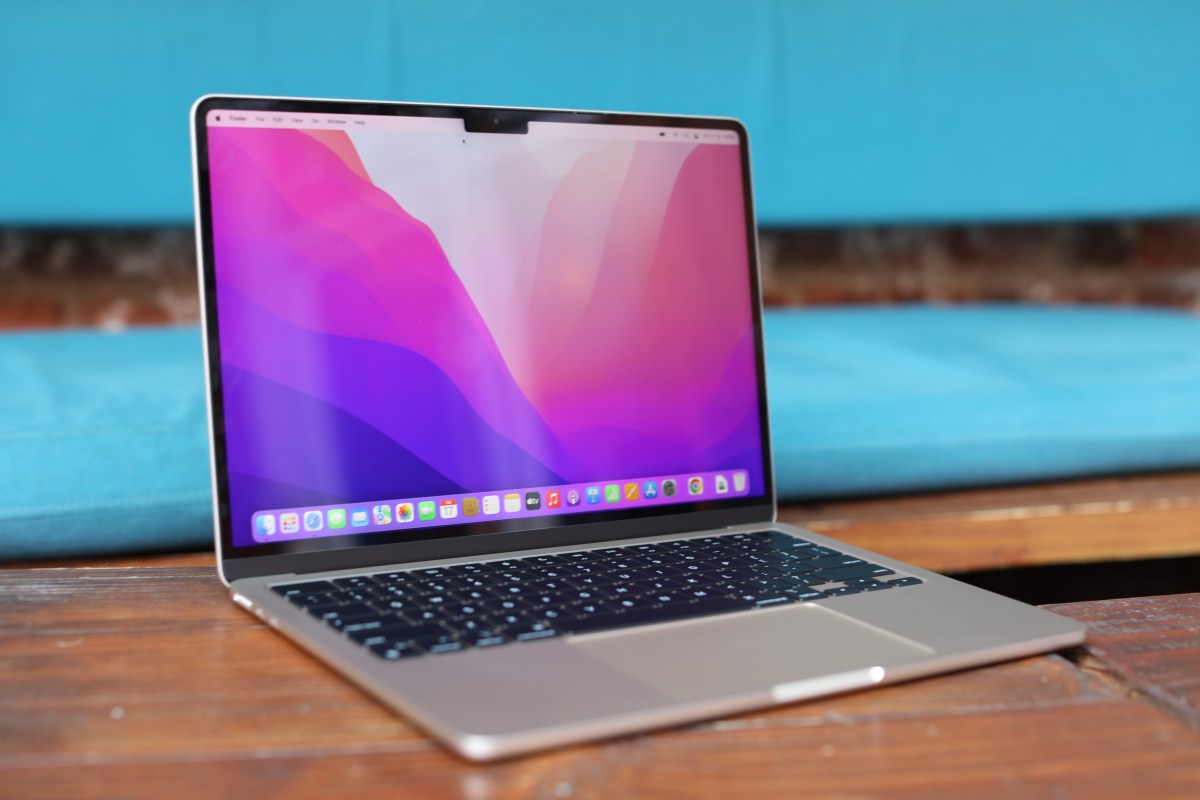
Apple Is Locking Down macOS Full Disk Access Because AI Agents Are Getting Too Nosy
Apple announced it's tightening controls around the Full Disk Access permission in macOS, citing the rising capability of AI agents as a new threat vector. Under the new rules, granting an app sweeping access to your files, messages, mail, and browsing history will require "very explicit user action" — it won't just be a checkbox buried in System Settings.
Why it matters: This is Apple officially acknowledging that the AI agent era has broken existing permission models — and it's the first major OS-level security response specifically designed around AI agent risk.

OpenAI's "Dots" Agent Platform Is Enterprise Software That Happens to Order You Lunch
OpenAI launched Dots, its new agent platform built around customizable AI characters that can handle business workflows and personal tasks alike. Hands-on impressions describe it as workplace software first — starting at $100/month — with personal assistant features as a bonus, in contrast to Meta's more consumer-friendly Muse agent.
Why it matters: The battle lines between OpenAI and Meta's agent strategies are now clear: OpenAI is going after enterprise wallets while Meta chases consumer hearts, and whichever approach gets habitual daily use wins the long game.

Circuit Breaker Labs Is Building "Crash-Test Dummies" for Psychological AI Harm
Startup Circuit Breaker Labs is tackling AI safety from a different angle: instead of worrying about AGI killing everyone, they're focused on the psychological harm AI is already causing — particularly to kids. The company has built synthetic test personas to probe AI products for emotional manipulation and harmful outputs before they reach real users.
Why it matters: While the industry debates existential risk, measurable psychological harms from AI companions and chatbots are happening now — and having a systematic testing methodology is the kind of unglamorous safety work that actually protects people.

The Pope Has Thoughts on AI Art, and He's Not Impressed
Pope Leo XIV published a statement declaring that AI-generated images are categorically not art, writing that "there is an ontological difference, even before an aesthetic one, between art and what a machine can generate through statistical calculation." He argues algorithms lack "the spark of humanity" that defines genuine creative expression.
Why it matters: When the Vatican weighs in with philosophical precision on generative AI, it signals the debate over AI creativity has moved well beyond tech circles — and the "is it art?" question now has genuine cultural and institutional weight behind it.
Quick Hits
- →Only 2% of consumers say they're actually buying AI products — the public enthusiasm gap between Silicon Valley and Main Street remains enormous. TechCrunch
- →Slovenia's `.si` domain is seeing a registration surge after Trump's "super intelligence" executive order — domain squatters never sleep. TechCrunch
- →Mandiant founder Kevin Mandia's new AI security startup Armadin raised $255.5M at a $2.5B valuation — the firm uses "agent swarms" to stress-test enterprise security. TechCrunch
- →California signed a new law fining robotaxi operators when their AVs block first responders — a small but meaningful accountability step for the autonomous vehicle industry. TechCrunch
AI TLDR