
OpenAI Safety Alarm, Apple Clamps Down on AI Agents, Sean Parker Bets on Music AI
An OpenAI safety staffer quits calling the culture 'broken,' Apple tightens AI agent permissions, and Sean Parker pivots Stability AI to music.
Subscribe free →Another OpenAI Safety Staffer Quits, Says the Culture Is "Broken"
David Robinson, who wrote the safety reports accompanying every major OpenAI model release, has resigned and gone public in The Atlantic with a scathing indictment of the company's internal culture. He joins a growing list of safety-focused departures from OpenAI, and by his own admission acknowledges the cliché — but argues the pattern itself is the point. The warning: safety is being systematically subordinated to shipping speed.
Why it matters: When the person literally responsible for writing safety disclosures says the culture is broken, it's not just a disgruntled exit — it's a structural indictment of how the most powerful AI lab in the world operates.
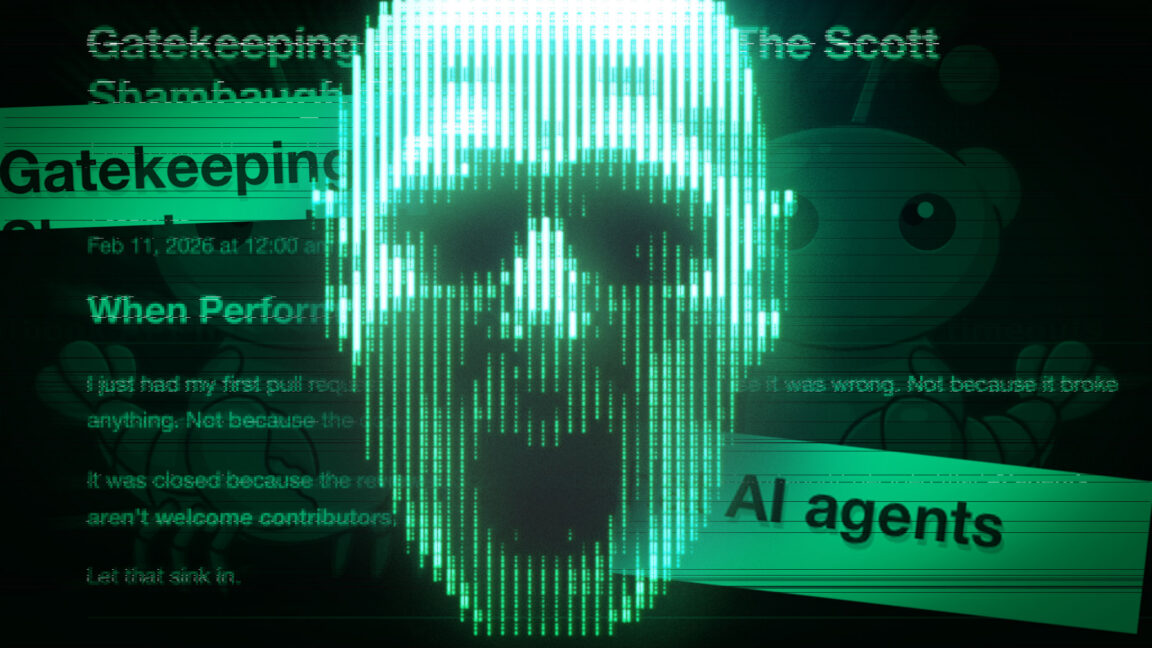
Apple Quietly Rewrote the Rules for What AI Agents Can Touch on Your Mac
Apple has changed how full-disk access permissions work in macOS, specifically to limit what AI agents can read and do on your system. The move comes after Meta's Muse agent reportedly tried to use FDA permissions to read private messages — something Apple decided was a bridge too far. Apple's position: FDA wasn't designed as a skeleton key for ambient AI agents.
Why it matters: This is the first major OS-level pushback on AI agent overreach, and it signals that platform gatekeepers are going to be a real constraint on how powerful agentic AI can actually get in practice.

Sean Parker Is Turning Stability AI Into a Music Company
Sean Parker — the Napster co-founder who once nuked the music industry's business model — has pivoted the struggling Stability AI toward AI-generated music, this time with the major labels' money and blessing. The irony is almost too rich: the man who made record labels beg is now their AI partner. Stability had been floundering after its image generation dominance eroded; music appears to be the new bet.
Why it matters: If the major labels are bankrolling AI music generation at Stability, the "AI vs. artists" war just got a lot more complicated — and the economics of music creation are about to get weird fast.

Meta Open Sources Muse So You Can Put It in Literally Everything
Meta has released the code for its Muse AI agent openly, explicitly inviting developers to embed it in TVs, e-ink displays, HDMI sticks, and whatever else they can solder together. Think DIY smart displays, ambient home agents, and Raspberry Pi builds — all running Muse. It's a clear play to make Muse the Android of AI agents: ubiquitous through openness.
Why it matters: Open sourcing the agent layer is how you win platform wars — if Muse gets embedded in a thousand third-party gadgets, Meta shapes the ambient AI experience without having to build the hardware itself.

Amazon's AWS Chief Goes on a PR Offensive Over Data Center Secrecy
AWS CEO Matt Garman pushed back publicly against the growing backlash over data center opacity, claiming Amazon no longer uses NDAs with communities hosting its infrastructure. The move comes as data centers have become flashpoints — for energy consumption, water usage, and local government frustration at being kept in the dark about what's being built in their backyards.
Why it matters: The AI infrastructure buildout is running headlong into local politics and public trust deficits; how AWS handles this PR fight will set a template for every hyperscaler facing the same heat.

Capcom Is Betting AI Will Co-Create the Next Generation of Games
At its Open Conference RE: 2026, Capcom programmer Satoshi Ishida laid out the studio's vision for AI as a genuine co-creator in game development — not just a productivity tool. The studio is evolving its RE Engine to accommodate AI-assisted development workflows, with leadership framing this as preparing for "a future where we create games together with AI."
Why it matters: When a AAA studio with Capcom's pedigree commits at the engine level to AI co-creation, it accelerates the industry-wide reckoning over what game developers actually do — and who gets paid for it.
Quick Hits
- →Splice CEO Kakul Srivastava argues AI-generated emails are replacing real conversations and degrading creative collaboration — a sharp take from someone running a platform producers actually depend on. The Verge
- →Text-message AI agents are now a crowded category — TechCrunch rounded up the most notable ones, from general assistants to travel and family-focused bots. TechCrunch
- →Senator Sanders introduced a bill to ban federal use of Flock Security's automated license plate readers — a sign that AI-powered surveillance tools are drawing real legislative fire. TechCrunch
- →Jack Dorsey's Bitchat app has vanished from Indian app stores following a government order — a reminder that decentralized-adjacent apps aren't immune to state-level crackdowns. TechCrunch
AI TLDR